

The difference is in the detail: why design details matter
Updated: Oct 29
Think about a space you've walked into and immediately felt something. Perhaps it felt welcoming, impressive, intriguing or connected to its surroundings. You might remember the overall design and how you felt, but probably not every element that created that impression.

The warmth of a material. The texture of a surface. The proportions of a structure. The way different elements fit together. Individually, these details might go unnoticed. Together, they shape how we experience an object or place.
At Human Dynamo Workshop, we believe the details aren't just finishing touches. They're fundamental to how a design communicates, functions and makes people feel. Here’s why design details matter.
Details help tell the story
The materials, textures, colours and finishes used in an object or space do more than contribute to its appearance. They can communicate a story, establish a sense of place and help people understand what they're experiencing, without relying on words alone.
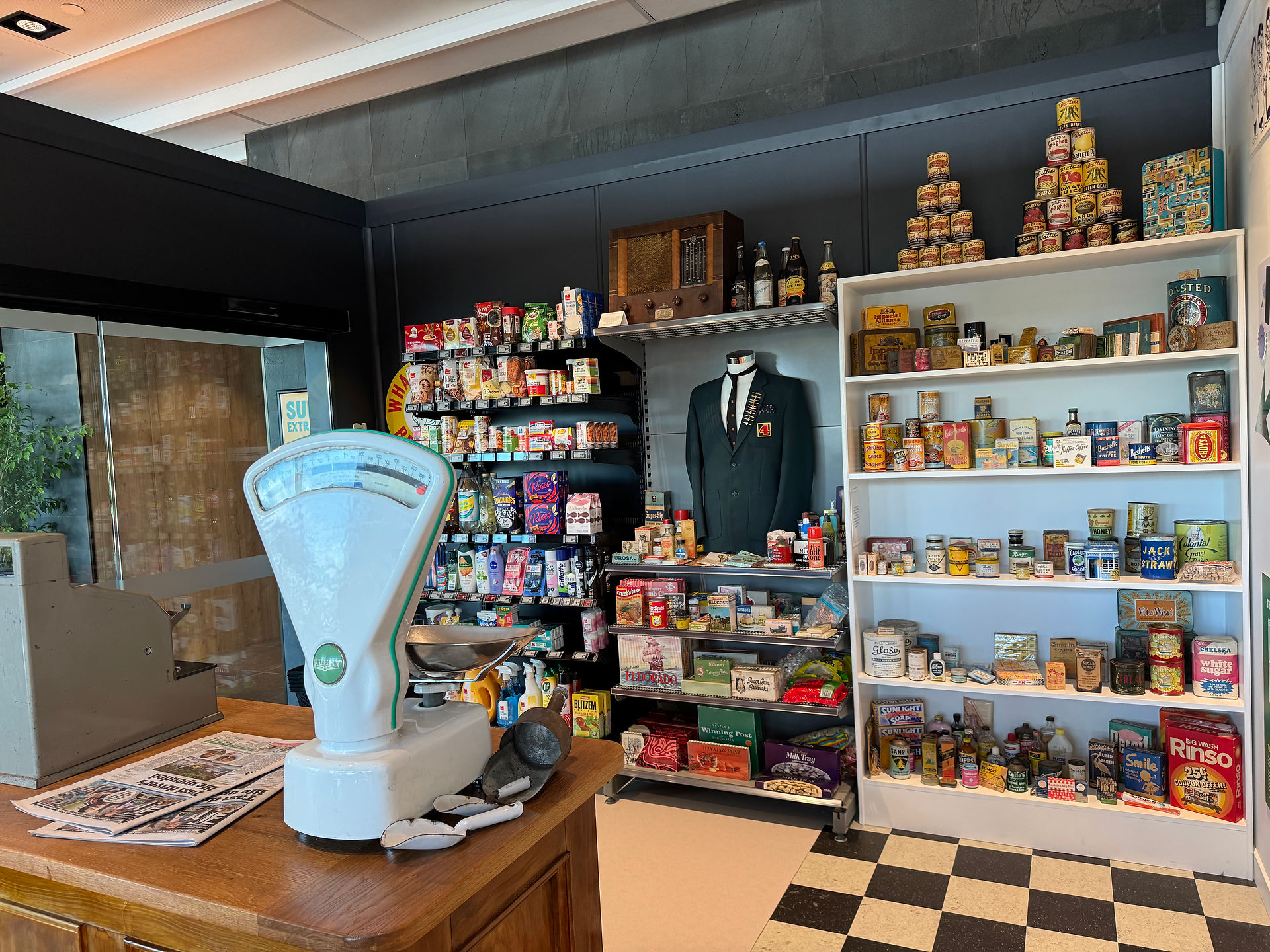
Our mahi on the Foodstuffs Legacy Walk-through demonstrates this. Created for Foodstuffs North Island's Auckland support centre, the experience takes visitors on a journey through more than 100 years of grocery shopping in New Zealand.
The changing eras are communicated through carefully considered details. Oiled matai flooring gives way to vinyl and black-and-white tiles, then a polished-concrete look. Window proportions, timber mouldings, vintage signage and products help establish the character of each period. Even newly fabricated elements were deliberately aged, with distressed paintwork, specially made bolts and a timber counter marked with a chain to give it the wear of decades of use.
Visitors may not consciously notice the thickness of the timber boards or the finish on the counter, but these elements collectively make the experience feel authentic. They help tell Foodstuffs' story and communicate the passage of time without needing to explain every change.


Good detailing makes complex work feel effortless
The details also influence how naturally a work fits into its surroundings. When elements come together seamlessly, people experience the design as a whole rather than noticing how its individual components have been made and assembled.
This was particularly important in our work with toi Māori artist Len Hetet of Waiwhenua Design on the Netherlands Embassy fit-out in Wellington. The carved timber artwork, Tūhono ki te Ao a Tangaroa, needed to flow continuously across concealed doors and a large pivoting wall. Achieving this required careful consideration of the materials, carving techniques and a custom batten system that accommodated the building's functional requirements without interrupting the artwork. The result is a feature that feels naturally integrated into the architecture, despite the technical complexity behind it.
Seamless design rarely happens by accident. Considering the details early creates more opportunities to resolve technical challenges without compromising the original artistic intent.


The smallest details can create a stronger connection
Details can also influence how closely people connect with what they're seeing. When something looks and feels believable, it's easier to become absorbed in the experience rather than focus on the object itself.
For the Out in The Blue exhibition at Ōamaru Penguins Discovery Centre, we created a series of life-sized kororā (little blue penguin) sculptures designed to transport visitors into the penguins' underwater world. Each penguin was digitally sculpted to capture its anatomy and movement, then 3D printed to reproduce fine feather textures. Our team hand-finished and painted the sculptures, carefully layering colours and subtle tonal variations to recreate the birds' distinctive plumage.
These carefully observed details help transform a sculpted form into a lifelike encounter, bringing visitors closer to the penguins and the world they inhabit.
Whether it's recreating a moment in history, integrating an artwork into a building or bringing wildlife to life, the principle is the same: the details need to support the bigger idea.


Three questions to ask when planning your next project
Getting the details right starts long before fabrication. Decisions made during concept development and design can shape what's possible, how successfully the work functions and how people ultimately experience it.
1. What experience are we trying to create?
Think beyond appearance. What should people feel, notice, understand or remember? Having a clear sense of the intended experience helps guide decisions about materials, finishes, scale and detailing.
2. How will the details work together?
Consider how different materials, surfaces and components meet, and how the work integrates with its surroundings. The smallest transitions, joins and fixings can make the difference between something feeling seamless or added on.
3. Could a different material or fabrication approach achieve a better result?
The most obvious solution isn't always the best one. Exploring materials, testing ideas and considering alternative fabrication techniques can reveal new possibilities while addressing practical requirements such as durability, installation and maintenance.
Get the details right from the start
Involving designers and makers early creates more opportunities to explore materials, test ideas, resolve challenges and identify smarter ways to achieve the design intent, before important decisions are locked in. While people might not notice every detail, they'll experience the difference those details make.
Working on an artwork, architectural feature, display or experience? Talk to Human Dynamo Workshop about how we can help take your idea further.


Comments